


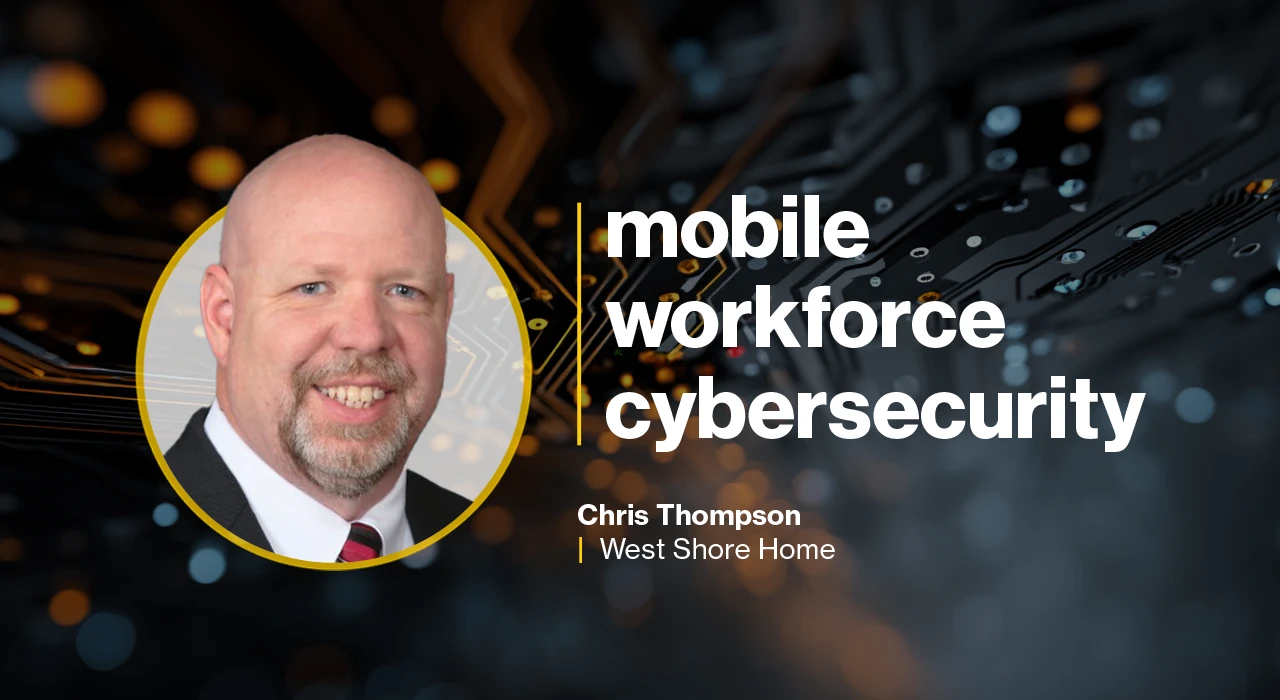
Field Workers Require Enhanced Security, Not More Access
In today's rapidly evolving cybersecurity landscape, field workers face unique challenges that necessitate a focus on security rather than just access. Chris Thompson, a Chief Information Security Officer (CISO) at a home services company, highlights the importance of implementing robust security measures tailored for a mobile workforce in his recent interview.
The Concept of Least Privilege
Thompson emphasizes that the principle of least privilege applies equally to both field workers and corporate employees. The idea is to provide access only to the resources necessary for job performance, thereby minimizing potential security risks. This shift moves away from the outdated notion that field workers require unrestricted access to perform their tasks effectively.
By understanding the specific needs of field workers, organizations can develop appropriate roles within identity and data systems. This ensures that employees have the necessary access while safeguarding against excessive privileges, ultimately enhancing security protocols.
Credential Hygiene: A Shift in Practice
Credential hygiene has evolved significantly over the years. Traditionally, field workers were often allowed to use generic shared accounts with static passwords for ease of access. However, the rise of cyber threats, particularly ransomware, has made such practices obsolete. Now, individual accounts are mandatory, and multifactor authentication (MFA) is employed to secure access.
The transition from allowing generic accounts to enforcing individualized credentials marks a significant improvement in security practices. Modern MFA solutions are user-friendly and widely adopted, eliminating the previously perceived divide between the security measures applicable to field and corporate employees.
Communicating Risks Internally
Organizations handling sensitive customer data must prioritize risk communication effectively. Thompson shares that bi-monthly reviews involving the Chief Technology Officer and Chief Compliance and Risk Officer facilitate discussions on technology and data risks. These meetings focus on both technical and regulatory concerns, ensuring that cybersecurity remains a priority at the executive level.
In addition to high-level discussions, the cybersecurity team collaborates closely with technical teams to address tactical configuration risks. This ongoing dialogue enables companies to implement necessary mitigations continually, fostering a proactive approach to risk management rather than relying on outdated quarterly or annual assessments.
Security Awareness for Field-Based Workforces
Security awareness programs are essential for all employees, but they can be particularly challenging for field workers who may not have regular access to training materials. Thompson notes that logistical issues often hinder these workers' ability to participate in traditional training sessions.
To overcome this, organizations can leverage daily “toolbox talks” held before field workers begin their tasks. These brief discussions provide an opportunity to communicate critical cybersecurity risks and offer practical advice on how to mitigate them. This approach ensures that security information is delivered effectively and promptly, in a manner that resonates with field personnel.
Integrating Field Teams into the Security Posture
Creating a culture where security is an integral part of daily operations is crucial. Thompson believes that field workers who are engaged with technology are more likely to understand the security risks associated with their roles. By utilizing modern security measures, such as MFA and individual accounts, organizations can foster a sense of responsibility among field workers concerning cybersecurity.
Ultimately, the goal is to cultivate an environment where security is viewed as a shared responsibility. By embedding security practices into the workflow and ensuring all employees, including field workers, receive training, organizations can enhance their overall security posture and better protect sensitive information.
Source: Help Net Security News