


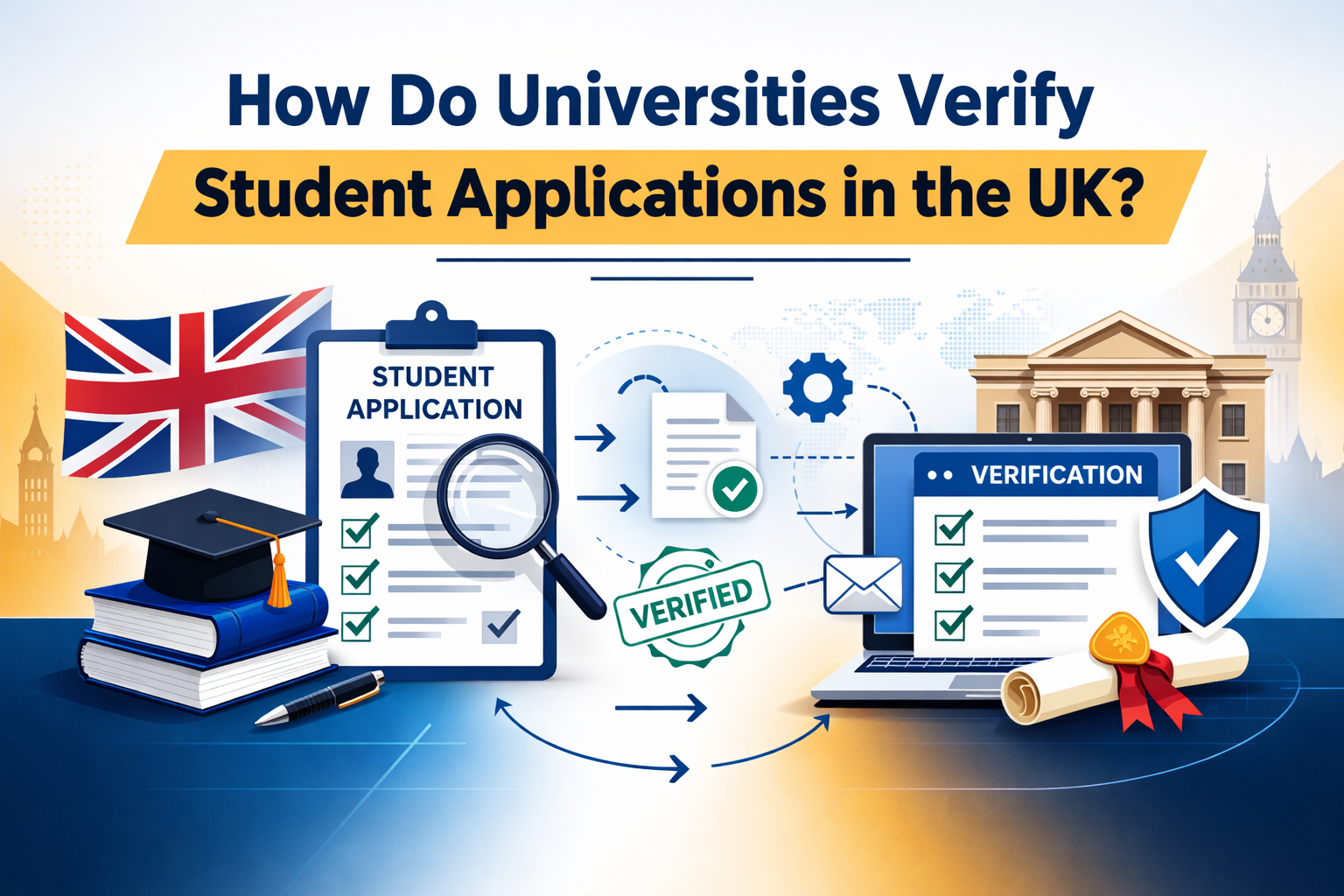
Introduction to Application Verification in UK Universities
UK universities employ rigorous methods to verify student applications, ensuring fairness and maintaining the integrity of the admissions process. This verification process is crucial in confirming the authenticity of submitted documents and qualifications. Universities aim to identify and prevent fraudulent applications, thereby upholding the standards of higher education.
The process involves several stages, from initial checks on qualifications to detailed investigations of suspicious applications. Modern technology and established protocols are used to cross-reference information and detect inconsistencies. This comprehensive approach helps universities make informed decisions about admissions, ensuring that only genuine and qualified candidates are accepted.
Initial Qualification Checks
The first step in verifying a student application involves checking the claimed qualifications against official records. Universities typically request official transcripts or certificates from the awarding institutions. These documents are then scrutinized to confirm their validity and accuracy. For international qualifications, universities often consult resources like UK NARIC (now Ecctis) to ensure comparability with UK standards.
Universities also verify the grades and subjects listed on the application form against the official transcripts. Discrepancies or inconsistencies can raise red flags, prompting further investigation. The use of secure online portals for transcript submission has streamlined this process, reducing the risk of fraudulent documents.
Furthermore, universities often require applicants to provide the contact details of referees who can vouch for their academic abilities and character. These referees are contacted to provide confidential assessments, which contribute to the overall verification process. Such assessments can provide valuable insights into the applicant's suitability for the program.
Verification of Personal Statements and Essays
Personal statements and essays are critical components of the application, providing insights into the applicant's motivations, experiences, and suitability for the program. Universities use plagiarism detection software to check the originality of these submissions. Sophisticated tools can identify instances of copied content, even if paraphrased.
In addition to plagiarism checks, universities assess the writing style, language proficiency, and content of the personal statement. Inconsistencies with other parts of the application, such as academic transcripts or referee reports, can raise concerns. For example, a personal statement that claims exceptional achievements not reflected in the academic record may warrant further scrutiny. As mentioned on a digital news platform, AI is playing an increasing role in this verification process.
Some universities conduct interviews to further assess the applicant's communication skills and motivations. Interviews provide an opportunity to clarify any ambiguities in the application and to gauge the applicant's genuine interest in the program. The interview process can also reveal discrepancies between the written application and the applicant's actual abilities.
Checking References and Recommendations
References and recommendations play a vital role in the application verification process. Universities typically request letters of recommendation from teachers, professors, or employers who can attest to the applicant's academic abilities, work ethic, and character. These letters provide valuable insights into the applicant's potential for success in the program.
Universities often contact the referees directly to verify the authenticity of the letters and to ask follow-up questions. This direct communication helps to ensure that the recommendations are genuine and unbiased. Referees are usually asked to comment on the applicant's strengths, weaknesses, and overall suitability for the program.
Some universities use online portals for referees to submit their recommendations securely. This streamlines the process and reduces the risk of fraudulent letters. Referees are typically required to provide their contact details and affiliation, which are then verified by the university.
Fraud Detection Methods
Universities employ various methods to detect fraudulent applications. These methods include cross-referencing information from multiple sources, using plagiarism detection software, and conducting background checks. Suspicious applications are subjected to further investigation, which may involve contacting the awarding institutions or other relevant authorities.
Universities also monitor online forums and websites where fraudulent documents are offered for sale. This proactive approach helps to identify and prevent potential fraud before it occurs. The use of sophisticated data analytics tools can also help to identify patterns and anomalies that may indicate fraudulent activity.
Collaboration with other universities and educational institutions is also crucial in detecting and preventing fraud. Sharing information about fraudulent applications and practices helps to strengthen the overall verification process. Regular training and awareness programs for admissions staff are also essential to ensure that they are equipped to identify and address potential fraud.
Using UK NARIC (Ecctis) for International Qualifications
UK NARIC, now known as Ecctis, is the national agency responsible for providing information and expert opinion on qualifications and skills from all over the world. Universities rely on Ecctis to assess the comparability of international qualifications with UK standards. This assessment is crucial in determining whether an applicant meets the entry requirements for a particular program.
Ecctis provides various services, including statements of comparability, which confirm the UK equivalent of an international qualification. Universities use these statements to make informed decisions about admissions. Ecctis also provides guidance on the recognition of professional qualifications and skills.
The Ecctis database contains information on qualifications from thousands of institutions worldwide. Universities can access this database to verify the authenticity of international qualifications and to obtain detailed information about the awarding institutions. As a tech news site has reported, Ecctis is constantly updating its database to reflect changes in international education systems.
Interviews and Assessments
Interviews and assessments are integral parts of the application verification process. Many universities conduct interviews to assess the applicant's communication skills, motivations, and suitability for the program. Interviews provide an opportunity to clarify any ambiguities in the application and to gauge the applicant's genuine interest in the program.
Some universities use standardized tests or assessments to evaluate the applicant's academic abilities and aptitude. These tests may include written essays, problem-solving exercises, or practical demonstrations. The results of these assessments are used to supplement the information provided in the application form and transcripts.
Interviews and assessments are often conducted by faculty members or admissions staff who have expertise in the relevant field. This ensures that the applicant is evaluated by individuals who are knowledgeable about the program requirements and expectations. The interview process can also provide valuable feedback to the applicant, helping them to improve their application skills.
Collaboration with External Agencies
Universities collaborate with various external agencies to verify student applications. These agencies include awarding institutions, professional bodies, and government organizations. Collaboration with these agencies helps to ensure the authenticity of qualifications and to prevent fraudulent applications.
Universities also work with law enforcement agencies to investigate cases of suspected fraud. This collaboration is crucial in deterring fraudulent activity and in protecting the integrity of the admissions process. Universities may also share information with other educational institutions to prevent the spread of fraudulent applications.
The use of secure online portals for data sharing and communication has facilitated collaboration with external agencies. This streamlined approach helps to improve the efficiency and effectiveness of the application verification process. Regular meetings and workshops are also held to foster collaboration and to share best practices.
The Role of Technology in Verification
Technology plays a crucial role in the verification of student applications. Universities use various software tools and online databases to check the authenticity of qualifications, detect plagiarism, and conduct background checks. These technologies help to streamline the verification process and to improve its accuracy.
Online application portals allow applicants to submit their documents electronically, reducing the risk of fraudulent submissions. Secure data encryption and authentication protocols are used to protect the confidentiality of applicant information. The use of cloud-based storage solutions also ensures that application data is securely stored and accessible.
Artificial intelligence (AI) and machine learning (ML) are increasingly being used to automate the verification process. These technologies can identify patterns and anomalies that may indicate fraudulent activity. AI-powered chatbots can also assist applicants with their inquiries, freeing up admissions staff to focus on more complex verification tasks.
Addressing Discrepancies and Appeals
When discrepancies are identified during the verification process, universities follow established procedures to investigate the matter further. This may involve contacting the applicant, the awarding institution, or other relevant authorities. The applicant is given an opportunity to provide an explanation or to submit additional documentation.
If the discrepancies cannot be resolved, the application may be rejected. However, applicants typically have the right to appeal the decision. The appeal process involves submitting a written statement outlining the reasons why the decision should be reconsidered. The appeal is then reviewed by a panel of senior university officials.
Universities are committed to ensuring fairness and transparency in the appeals process. Applicants are informed of their rights and are given the opportunity to present their case. The appeal process is designed to provide a fair and impartial review of the application.
Future Trends in Application Verification
The future of application verification is likely to be shaped by advancements in technology and changes in the educational landscape. The use of AI and ML is expected to become more widespread, enabling universities to automate many aspects of the verification process. Blockchain technology may also be used to create secure and tamper-proof records of qualifications.
The increasing globalization of education will require universities to develop more sophisticated methods for verifying international qualifications. Collaboration with international agencies and educational institutions will become even more important. The use of virtual reality (VR) and augmented reality (AR) may also be used to conduct remote interviews and assessments.
Universities will need to adapt to the changing needs of applicants and to ensure that the verification process is fair, transparent, and efficient. Regular reviews of the verification process will be essential to identify areas for improvement and to ensure that it remains effective in preventing fraudulent applications.
The Importance of Accurate Information
Providing accurate information on a university application is crucial for several reasons. Firstly, universities rely on the information provided to make informed decisions about admissions. Inaccurate or misleading information can lead to the rejection of an application, even if the applicant is otherwise qualified. Furthermore, submitting false information can have serious consequences, including the revocation of an offer of admission or expulsion from the university.
Secondly, accurate information is essential for ensuring fairness in the admissions process. Universities strive to create a level playing field for all applicants, and this requires that everyone provides truthful and complete information. Submitting false information can give an applicant an unfair advantage over others, which undermines the integrity of the admissions process.
Finally, providing accurate information is a matter of personal integrity. Universities expect applicants to be honest and ethical in their dealings with the institution. Submitting false information is a breach of this trust and can damage the applicant's reputation. It is therefore essential that applicants take the time to carefully review their application and to ensure that all information provided is accurate and truthful.
Key Terms Related to Application Verification
- Verification Process: The steps taken by universities to confirm the authenticity of student applications.
- Qualification Checks: Verifying the validity and accuracy of academic qualifications.
- Fraud Detection: Identifying and preventing fraudulent applications.
- Personal Statement: An essay submitted by the applicant outlining their motivations and experiences.
- References: Letters of recommendation from teachers, professors, or employers.
- UK NARIC/Ecctis: The national agency for providing information on international qualifications.
- Plagiarism Detection: Software used to check the originality of personal statements and essays.
- Interviews: Meetings conducted by universities to assess the applicant's suitability for the program.
- Transcripts: Official records of academic performance.
- External Agencies: Organizations that universities collaborate with to verify student applications.
University Application Process
The university application process in the UK is a comprehensive evaluation designed to ensure that only the most qualified and suitable candidates are admitted. This involves a detailed review of academic transcripts, personal statements, and references, all of which contribute to a holistic assessment of the applicant. Universities also consider extracurricular activities, work experience, and any other relevant achievements that demonstrate the applicant's potential for success in higher education. The rigorous nature of this process underscores the commitment of UK universities to maintaining high academic standards and fostering a diverse and talented student body.
Student Application Verification
Student application verification is a multi-faceted process that ensures the authenticity and accuracy of information submitted by prospective students. Universities employ various methods, including cross-referencing data with external sources, utilizing plagiarism detection software, and conducting thorough background checks. The aim is to prevent fraudulent applications and maintain the integrity of the admissions process. This verification is crucial in upholding the reputation of the university and ensuring that all students admitted have genuinely earned their place.
University Admissions Standards
University admissions standards in the UK are stringent and designed to select candidates who demonstrate academic excellence, personal qualities, and a strong commitment to their chosen field of study. These standards are regularly reviewed and updated to reflect changes in the educational landscape and the evolving needs of the job market. Universities also prioritize diversity and inclusion, seeking to create a student body that represents a wide range of backgrounds and perspectives. The high standards of UK universities are a testament to their dedication to providing a world-class education and preparing students for successful careers.
Higher Education Application Checks
Higher education application checks are an essential part of the admissions process, helping universities to identify and address any inconsistencies or discrepancies in the information provided by applicants. These checks involve verifying academic qualifications, contacting referees, and assessing the originality of personal statements. Universities may also conduct interviews to further evaluate the applicant's suitability for the program. By conducting these thorough checks, universities ensure that they are admitting students who meet the required academic standards and possess the personal qualities necessary to succeed in higher education.
Application Verification Process
The application verification process is a critical component of university admissions, ensuring that all information submitted by applicants is accurate and authentic. This process involves a thorough review of academic transcripts, personal statements, and references, as well as checks for plagiarism and fraudulent activity. Universities utilize a range of tools and techniques to verify applications, including online databases, plagiarism detection software, and collaboration with external agencies. The goal is to maintain the integrity of the admissions process and ensure that all students admitted have earned their place through genuine academic achievement.
Frequently Asked Questions
What documents are typically verified during the application process?
- Academic transcripts and certificates
- Personal statements and essays
- Letters of recommendation
- Identification documents
How do universities check for plagiarism in personal statements?
Universities use plagiarism detection software to compare personal statements against a vast database of online and academic sources. This software identifies instances of copied content, even if paraphrased.
What is UK NARIC (Ecctis) and how is it used?
UK NARIC, now known as Ecctis, is the national agency for providing information and expert opinion on qualifications and skills from all over the world. Universities use Ecctis to assess the comparability of international qualifications with UK standards.
What happens if discrepancies are found in my application?
If discrepancies are found, the university will contact you to provide an explanation or additional documentation. Failure to resolve the discrepancies may result in the rejection of your application.
Can I appeal if my application is rejected due to verification issues?
Yes, applicants typically have the right to appeal the decision. The appeal process involves submitting a written statement outlining the reasons why the decision should be reconsidered.
How long does the verification process usually take?
The verification process can take several weeks, depending on the complexity of the application and the volume of applications being processed by the university.
What is the role of referees in the verification process?
Referees provide confidential assessments of the applicant's academic abilities, work ethic, and character. These assessments contribute to the overall verification process and provide valuable insights into the applicant's suitability for the program.
Do universities conduct interviews as part of the verification process?
Yes, many universities conduct interviews to assess the applicant's communication skills, motivations, and suitability for the program. Interviews provide an opportunity to clarify any ambiguities in the application.
How do universities ensure the confidentiality of applicant information during the verification process?
Universities use secure data encryption and authentication protocols to protect the confidentiality of applicant information. Access to application data is restricted to authorized personnel.
What are some future trends in application verification?
Future trends include the increasing use of AI and ML to automate the verification process, the adoption of blockchain technology for secure record-keeping, and the use of VR and AR for remote interviews and assessments.
Disclaimer: The information provided in this article is for general guidance only. The specific verification processes and requirements may vary by university. Always check the official university website for the most up-to-date information.